The Proactive Hero: How Predictive Maintenance Turns Service Techs into Lifesavers
Stop being the "emergency guy" and start being the proactive hero. Learn how Predictive Maintenance uses AI and IoT to fix problems before your customers even know they have them—slashing downtime by 40% and building bulletproof loyalty.

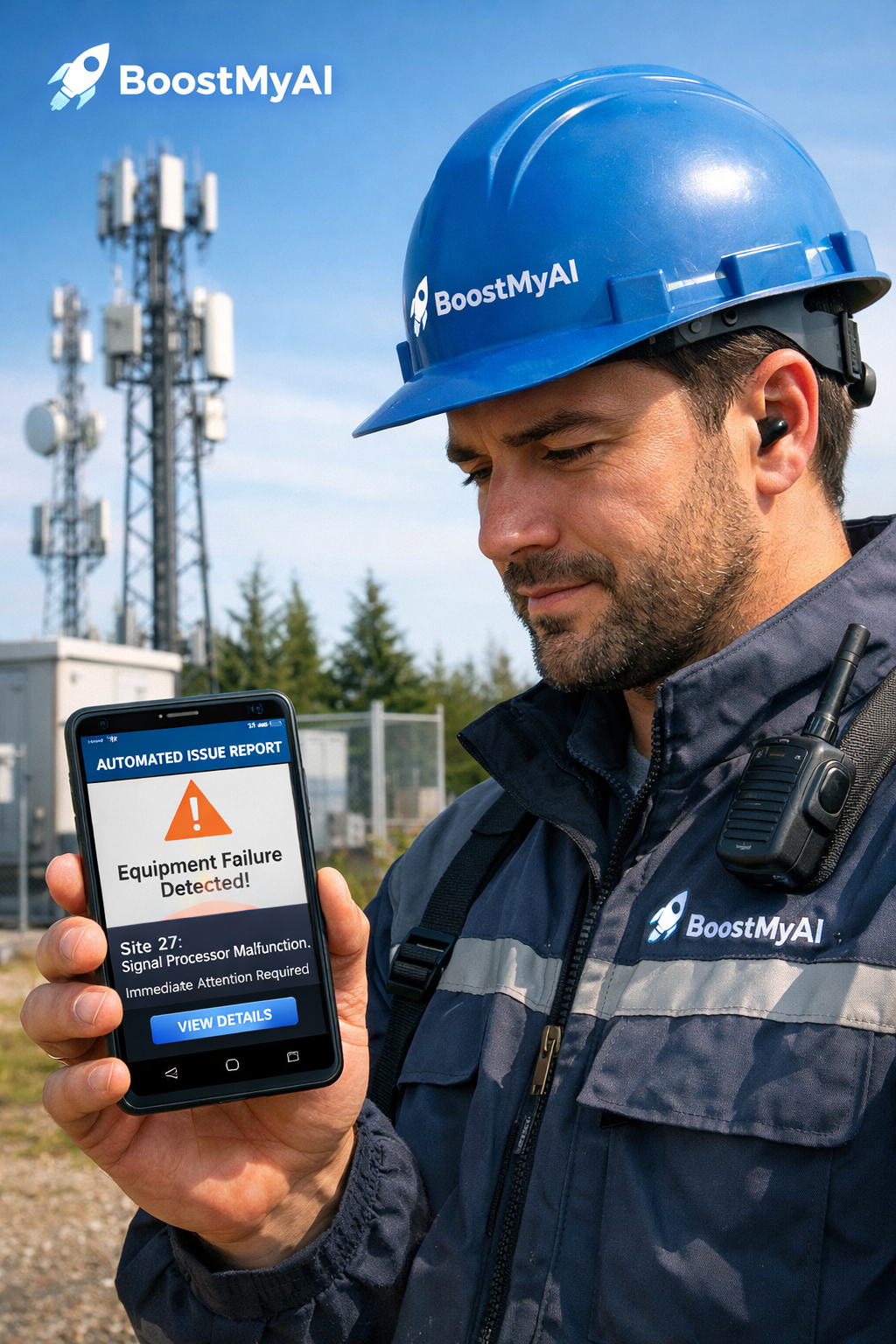
For service-based businesses like HVAC, plumbing, or fleet management, the "status quo" is often defined by chaos. It’s the late-night emergency call from an angry customer whose AC has died in a heatwave. It’s the broken-down delivery truck that throws the entire day’s schedule off. It’s a reactive nightmare, costing time, money, and customer trust.
But what if you could know about a problem before it becomes an emergency?
Welcome to the power of Predictive Maintenance (PdM), a paradigm shift driven by AI and IoT (Internet of Things) that’s transforming reactive chaos into proactive control. For service businesses, this isn't just about saving money; it's about elevating your human talent from "repair techs" to "proactive heroes," arriving on site before the customer even knows they need you.
This guide breaks down how to implement predictive maintenance to slash unplanned downtime, extend asset life, and fundamentally improve your customer relationships.
Moving Past the "If It Ain't Broke" Mentality
The traditional maintenance model is inherently flawed:
- Reactive (Break-Fix): You fix it after it fails. Result: Maximum downtime and maximum cost.
- Preventative (Time-Based): You service it based on a calendar. Result: Wasted money replacing perfectly good parts.
Predictive Maintenance (Condition-Based) is the intelligent alternative. It uses real-time data to assess the actual state of an asset and predict exactly when a failure will occur. You only perform maintenance when it’s truly needed.
Step 1: Connecting the "IoT Nervous System"
Predictive maintenance relies on data from sensors—the Internet of Things (IoT). These sensors monitor the critical indicators of machine health:
- HVAC: Sensors monitoring vibration in fan motors, refrigerant line temperature, or energy draw.
- Fleet/Vehicles: Real-time data on engine temperature, oil pressure, and brake wear.
- Plumbing/Industrial: Acoustic sensors for leaks or thermal imaging for electrical panels.
Pro-Tip: Start small. Choose your most critical asset type and install sensors on the most common failure points first.
Step 2: Running the AI Analytics
Once the sensors are installed, they stream data 24/7 to a central platform. The true "magic" happens when this live data meets an AI engine. The algorithm is designed to:
- Define a Baseline: Understand what "normal" looks like for that specific machine.
- Detect Anomalies: Recognize subtle patterns—a slight vibration increase or a momentary temperature spike—that precede a major failure, often weeks in advance.
- Predict Failure: Provide a probability score and an estimated timeframe for repair.
Step 3: Closing the Loop: Automated Workflows
Data without action is just noise. The efficiency gain of PdM happens when the prediction automatically triggers your field service software.
The Proactive Workflow:
- Detection: A sensor detects an imminent bearing failure on a fan motor.
- Alert: The dashboard flags a high probability of failure within 30 days.
- Action: The system checks inventory for the part and schedules a service call during normal business hours.
- Dispatch: The customer is notified that a technician is coming to prevent a future breakdown.
The Human Aspect: Becoming a "Proactive Hero"
This shift fundamentally changes the relationship between your technicians and your customers.
The "Old Way": The technician arrives during a breakdown. The customer is stressed and sees only an inconvenient problem and a large bill.
The "Proactive Hero" Way: The technician arrives on a planned schedule. They tell the customer: "Our system picked up a small issue with your unit, so I’m here to swap a part now. It’ll take an hour and prevent your system from shutting down during next week’s heatwave."
The technician is no longer just a fixer; they are a hero who saved the customer from a crisis. This builds deep trust and bulletproof loyalty.
The Bottom Line: Savings, Life, and Loyalty
Implementing predictive maintenance offers undeniable impact:
- Reduce Unplanned Downtime (30-40%): Catch failures before they halt your business.
- Reduce Maintenance Costs (10-20%): Stop doing unnecessary work and avoid emergency service premiums.
- Extend Asset Life: Condition monitoring stops premature wear and tear.
- Enhanced Customer Loyalty: Proactive service builds a brand reputation that reactive competitors can't touch.
The era of waiting for things to break is over. By leveraging the intelligence of AI, service-based businesses are taking control and becoming the proactive heroes modern customers demand.
Contact Us
Ready to stop chasing emergencies and start predicting success? Contact us today to learn how we can help you integrate IoT and AI into your service workflow. Let's turn your team into proactive heroes.